
Joint Arthroscopy in Benalmádena
Arthroscopy consultations in Arroyo de la Miel
Arthroscopy, often called joint keyhole surgery, is a minimally invasive technique used to assess and treat certain problems inside a joint. Surgery is generally considered after a clinical examination and appropriate imaging indicate a problem that may benefit from the procedure.
Arthroscopic techniques were introduced in the 1960s and have developed considerably since then. They progressed from a mainly diagnostic tool to techniques that can also clean a joint, remove loose material or repair some damaged structures.
Arthroscopy is most commonly performed on the knee and shoulder. It may also be used for the hip, ankle, elbow or wrist, depending on the diagnosis and clinical assessment.
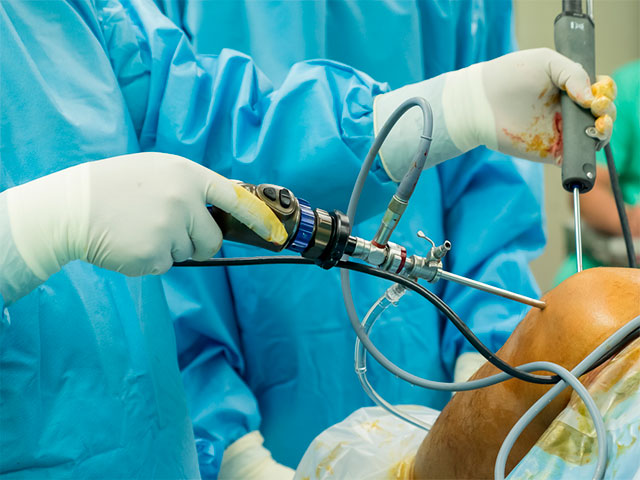
Joint keyhole surgery is technically demanding. The surgeon views magnified images on a screen while using fine instruments through separate small incisions. This requires specialist training and experience because the surgeon’s hands and instruments work in a different direction from the image displayed on the screen.
Assessment may include a medical history, clinical examination, X-rays or MRI. If the findings indicate that arthroscopy may be appropriate, the surgeon discusses the procedure, alternatives and expected recovery. Operating time varies according to the joint and treatment required.
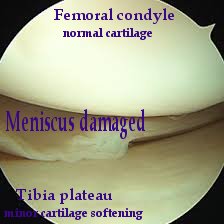
For knee or ankle arthroscopy, Dr Alf Neuhaus may use a tourniquet around the thigh to improve visibility. Small incisions provide access for a camera and the surgical instruments. The camera includes a light source and magnifying lens, and sends images from inside the joint to a screen. Arthroscopy may be performed under general or spinal anaesthesia; the appropriate method is determined during the individual assessment.
Arthroscopic instruments include forceps, scissors, shavers and suturing devices. They allow the surgeon to inspect the joint and, when indicated, remove damaged material or repair certain structures.
Some arthroscopies may be suitable as day-case procedures. The need for crutches, weight-bearing instructions, driving and return to normal or sporting activities depends on the joint, operation and individual recovery. Follow-up, wound review and rehabilitation can be arranged through Clínica Sandalf and its physiotherapy service.
Funding and insurance eligibility vary by country, provider and individual policy. Patients should confirm current cover directly with their insurer before arranging treatment.
At Clínica Sandalf, orthopaedic assessment is provided by Dr Alf Neuhaus and Dr Lisa Buddrus. Read more about the clinic’s orthopaedic consultations or contact Clínica Sandalf to request an assessment.
Private hospital care
When arthroscopy requires hospital care, the procedure is carried out at a nearby private hospital with operating theatres, inpatient rooms and appropriate clinical support. The exact arrangements and length of stay depend on the operation and individual needs.
Postoperative reviews may include wound care, pain management, further investigations, joint mobilisation and rehabilitation. Follow-up care can continue through Clínica Sandalf after hospital discharge.